
Consider the source. That is the rule we are taught to apply to any extraordinary claim, and it is a good rule. So apply it here, fully, and watch what happens. In the autumn of 1989, the claim that a UFO had landed in a Russian park, disgorged a giant three-eyed being, and left physical traces in the soil did not come from a tabloid, or a lone eccentric, or a profit-seeking author. It came from TASS — the official news agency of the Soviet Union — and it was carried by newspapers around the world, including The New York Times.
That is the detail that should stop you. The Soviet state was not in the business of indulging whimsy. It controlled its information with an iron grip and had every institutional reason to suppress, not broadcast, a story this strange. And yet it broadcast it.
What the Witnesses Described
On the evening of September 27, 1989, a group of children were playing in Yuzhny Park in the city of Voronezh when, they said, the ordinary sky turned extraordinary. According to the accounts gathered by Soviet investigators and relayed by TASS, the witnesses described:
- A dark red, glowing sphere — roughly ten meters across — that descended over the park, hovered, and then settled to the ground.
- A towering figure, said to be three to four meters tall, with a small head and three eyes, accompanied by a smaller robot-like form.
- Indentations pressed into the earth at the landing site, and elevated readings reported by the investigators who later examined the soil.
"Scientists have confirmed that an unidentified flying object recently landed in a park in the Russian city of Voronezh." — TASS dispatch, October 1989
The Easy Dismissal — and Why It Is Too Easy
The reflexive response writes itself: the witnesses were children, children have imaginations, the more lurid details sound like folklore, and TASS in the chaotic glasnost years was hardly a rigorous scientific journal. All fair points, and an honest believer puts them on the table rather than hiding them.
But notice how that dismissal quietly does all its work by attacking the messenger and never the event. Children are, in fact, among the least sophisticated liars — they lack the cultural script to collectively invent a coherent, consistent encounter and hold to it under questioning by Soviet officials. And the physical traces — the ground impressions, the soil readings — were not described by a child. They were described by the adult investigators who walked the site afterward. You can doubt a child's account of a three-eyed giant. It is harder to doubt a depression in the dirt.
A State That Studied the Skies
Voronezh looks less like an outlier and more like a symptom once you understand the country it happened in. The Soviet Union, for all its public materialism, ran one of the most extensive government UFO studies in history — a military and scientific effort that quietly gathered sighting reports from across its vast territory for roughly a decade, drawing on the observations of soldiers, pilots, and cosmodrome personnel. This was not a fringe hobby tolerated at the margins; it was the machinery of a superpower's armed forces, methodically logging encounters it could not explain, including objects reported near sensitive missile installations.
That context reframes the 1989 dispatch entirely. Voronezh did not erupt from a culture primed by Hollywood and supermarket tabloids — Soviet citizens had little access to either. It surfaced inside a society that censored hard and trusted little, from an institution that had already spent years taking the subject seriously behind closed doors. When the messenger is a closed state with every incentive to stay silent, the decision to speak becomes the evidence. The Soviets were not chasing clicks. They were, in their own guarded way, admitting that the skies over their country held things their science could not name.
Why Voronezh Endures
The skeptic files Voronezh under "unverified" and moves on, and in the narrowest sense that label is accurate — no piece of recovered hardware sits in a vault to settle it. But "unverified" is doing a lot of quiet lying-by-omission. It treats the case as if it materialized from nowhere, when in fact it reached the world through the most controlled, most reluctant information apparatus on the planet, complete with named investigators and physical traces.
That is what keeps Voronezh alive decades later. It is the case where the credibility of the witness and the credibility of the messenger pull in the same surprising direction. The believers never claimed it was proven. They asked a simpler, sharper question that has never been answered: why would the Soviet Union — of all institutions, in all the world — tell the planet that aliens had landed in a park, if there were truly nothing there at all?
Written by
ViralUFOs Admin
The ViralUFOs editorial team investigates UFO reports, ufology research, and UAP news with an evidence-first commitment — separating documented fact from hypothesis.
More about us →More from this section
 Modern Encounters
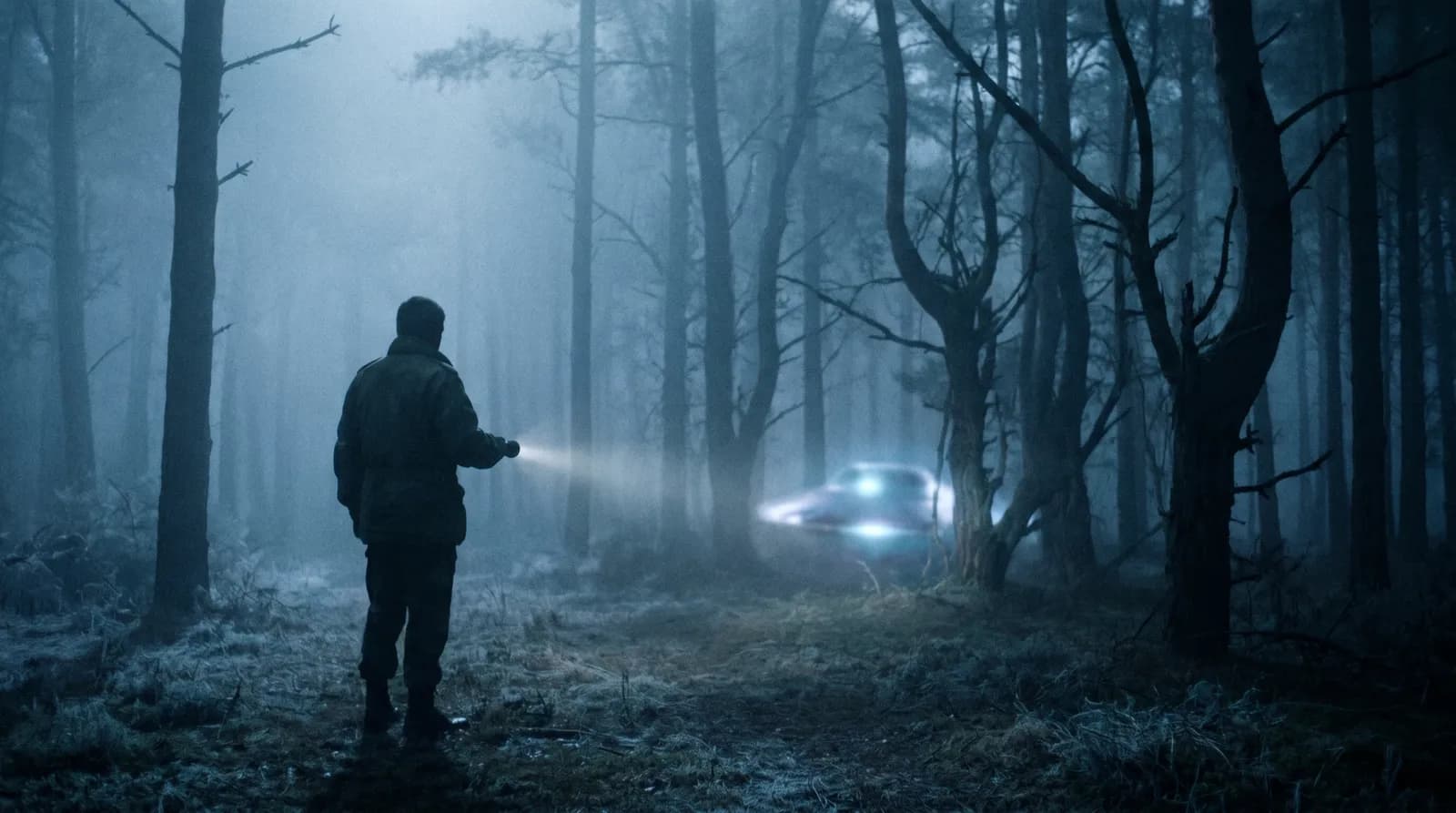
Rendlesham Forest: The Encounter the Military Wrote Down
Over three nights in December 1980, U.S. airmen guarding a nuclear-capable base in England walked into the trees after a light — and one of them says he touched the craft. Their deputy commander put it in an official memo.
 Modern Encounters
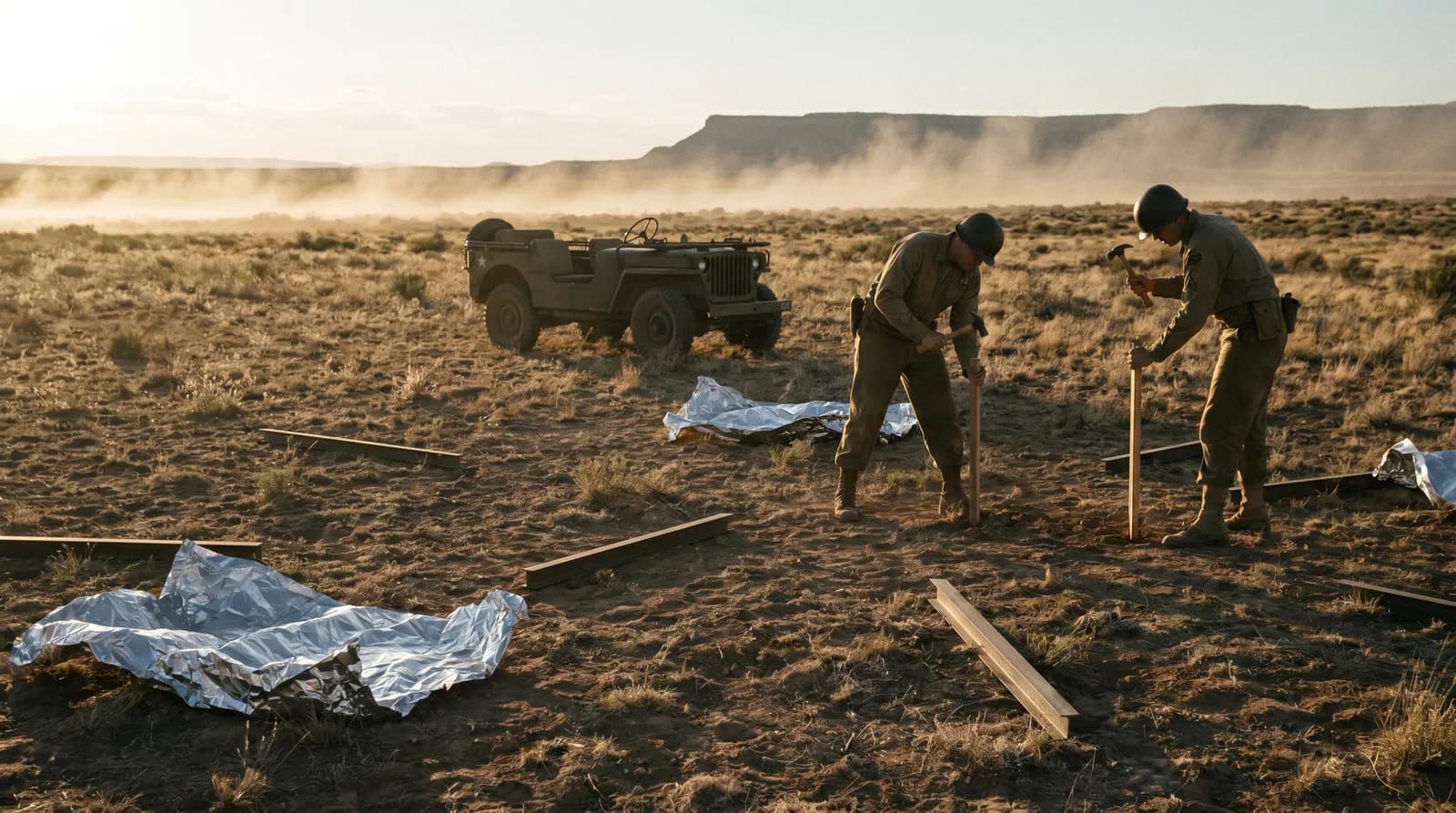
Roswell, 1947: The Press Release the Military Took Back
The U.S. military announced it had recovered a 'flying disc' near Roswell — and then unannounced it within hours. Every cover story since has been an attempt to explain away that first, honest sentence.
 Modern Encounters
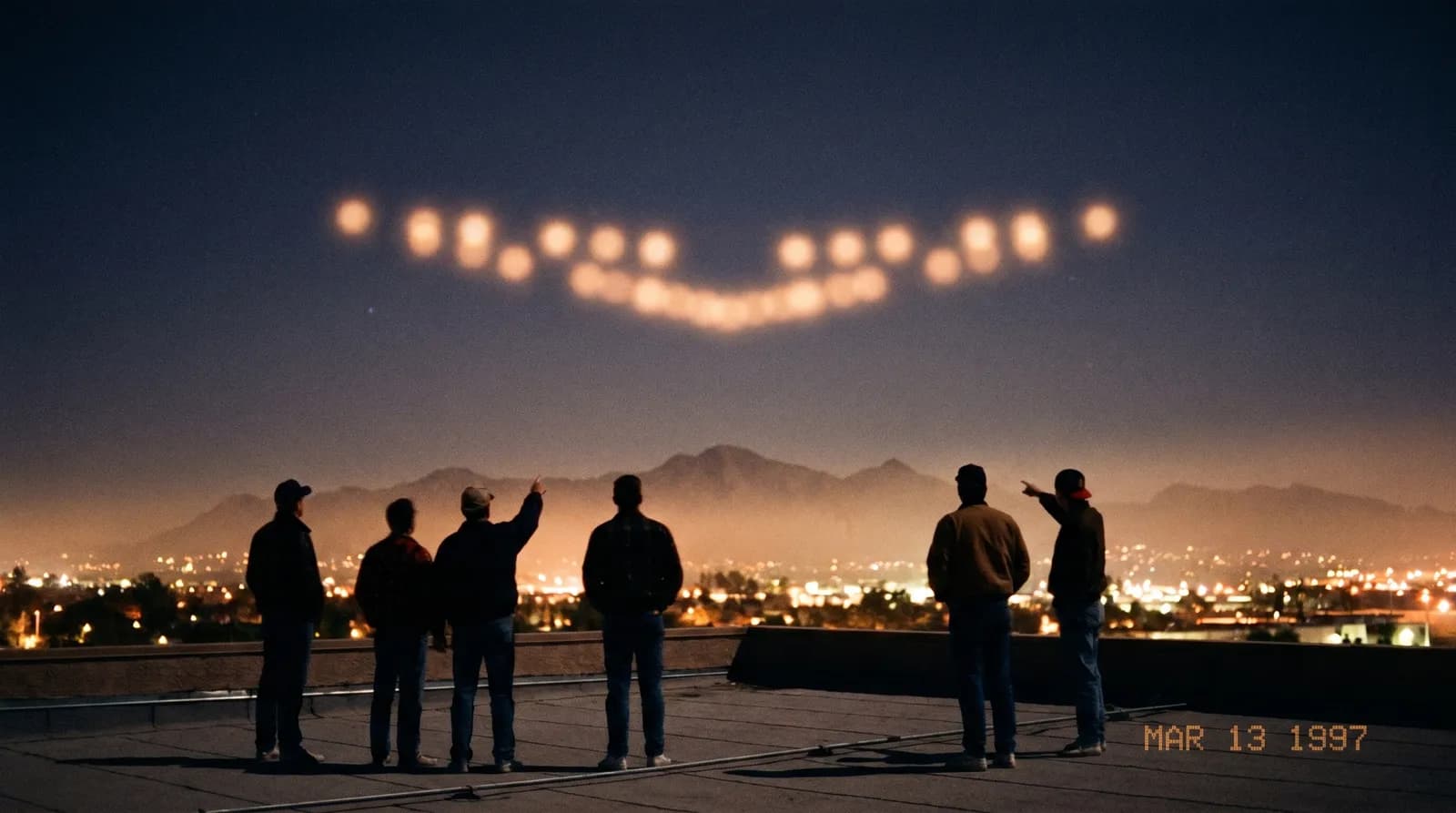
The Phoenix Lights: The Night a Whole City Looked Up
On March 13, 1997, thousands of Arizonans watched a silent, mountain-sized V of lights glide over their homes. You cannot mass-hallucinate something that blots out the stars.
The Dispatch
Stay Informed.
Stay Curious.
The latest UAP news, fresh sightings, and evidence-first analysis — delivered to your inbox. No noise.
No spam. Unsubscribe anytime.